
From music festivals and football matches to Christmas markets and summer fairs, attending public events is a part of British culture. They bring people together to celebrate, connect, and enjoy shared experiences. Unfortunately, with large crowds also come potential risks. These may be minor, such as pickpocketing and lost belongings, to major unexpected emergencies or overcrowding. This does not mean you should stay away from crowded gatherings altogether.
Whether you’re attending a Christmas market in London, a local street fair, or a major sporting event, a little preparation can go a long way in keeping you and those around you safe. We’ve put together some helpful tips for staying alert and ready for a wide range of potential problems before, during, and after any large event.
How To Stay Safe Before You Go – Plan Ahead
Being prepared is one of the most effective ways to stay safe at crowded events. Taking a few simple steps before you leave home can make all the difference during an emergency.
Check Official Guidance
Start by visiting the event’s official website or social media pages for updates on entry requirements, restricted items, and safety information. For larger gatherings, it’s also worth checking GOV.UK or your local council’s website for any travel advisories or weather warnings.
Know The Layout Of The Venue
Familiarise yourself with the event map if it’s available online. Take note of entrances and exits, first aid points, toilets, and designated meeting areas. Knowing these details in advance helps you move confidently and act quickly if the crowd becomes too dense or an emergency arises.
Plan Your Journey From Home And Back
Decide how you’ll get to the event and back safely. If you’ll be using public transport, check train or bus schedules so you can time your departure to reach the destination on time. Avoid travelling alone late at night if possible, and keep a backup plan in case your main route is disrupted.
Share Your Plans
Let a friend or family member know where you’re going, who you’re with, and when you expect to return. Send them a quick message when you arrive and when you’re heading home. Messaging only takes a moment and adds an extra layer of safety.
Pack Smart
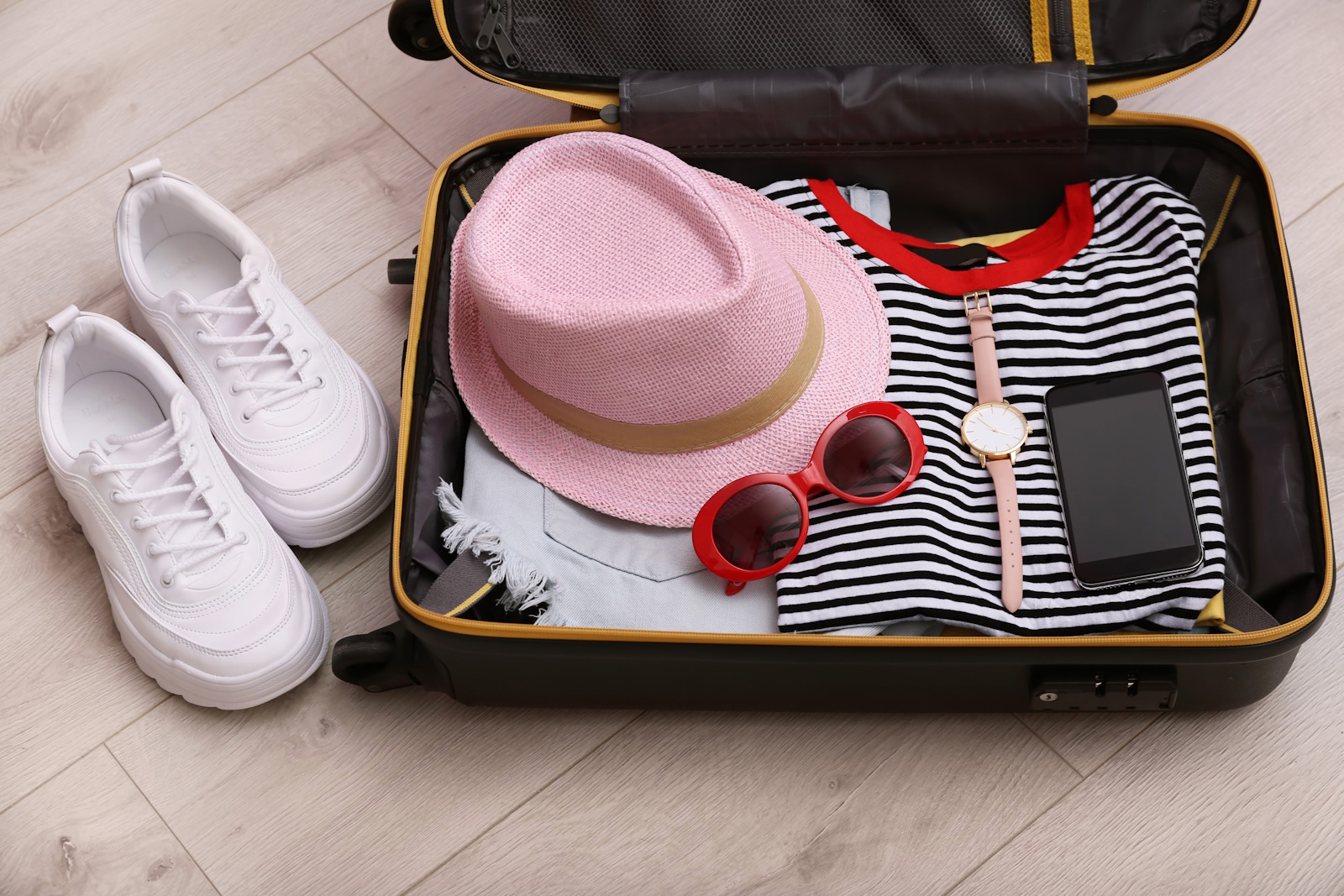
Carry only what you really need. Avoid carrying valuables or large bags, as these can slow you down at security checks and make you more vulnerable to theft.
Essentials typically include your phone, photo ID, bank card, some cash, a portable charger, and a small bottle of water. Keep your bag light and compact to make moving through crowds easier.
How To Stay Safe While You’re At The Event: Stay Alert And Aware
Once you arrive, your main goal is to enjoy the event, but staying observant and aware of your surroundings will help you do that safely and confidently.
Locate Key Landmarks Right Away
When you enter the venue, take a few moments to familiarise yourself with your surroundings. Identify the nearest exits, first aid stations, and security staff or stewards. If you’re with friends or family, agree on a clear meeting spot in case anybody gets separated.
Stay Aware Of Your Surroundings
It’s easy to get caught up in the excitement, but keep an eye on what’s happening around you. Avoid staring at your phone for long periods, and stay alert to any changes in crowd movement or atmosphere.
If something feels off or unsafe, trust your instincts and move to a quieter or more open area.
Keep Your Group Together
Stick with your friends or whoever you came with. In large crowds, it’s all too easy to lose track of one another and incredibly difficult to locate a lost person. Think about it. If you stray away from your group, how do you describe where you are when all you see around you are lots of other people? Arranging check-in times or using location-sharing apps beforehand can be very useful in helping you to find each other quickly if needed.
Stay Hydrated & Pace Yourself
Outdoor, day-long events are generally held in the summer. While the weather feels great at first, the sun and heat can wear you down as the day goes by. Overcrowding, excitement, or alcohol can tire you out faster.
To avoid getting overheated or lightheaded, drink water often, eat a snack, and take short breaks in the shade. Keep that cap on.
Follow Official Directions
Event stewards, police officers, and security personnel are trained to manage large gatherings. Listen for announcements and follow their guidance calmly if asked to move or clear an area.
Personal Safety Tips
Crowded events can be wonderful experiences, but they also create opportunities for theft, accidents, or confusion. A few mindful habits can go a long way toward protecting yourself and your belongings.
Stay Aware Of Your Surroundings
Pay attention to what’s happening near you, especially in tightly packed spaces like queues, bars, or near the stage. If somebody is behaving aggressively or making you feel uncomfortable, move away and alert security.
Keep Your Valuables Secure
Use a small crossbody bag, bumbag, or neck pouch that stays close to your body and zips shut. Keep your phone and wallet in front pockets rather than back ones. If you’re carrying a backpack, wear it on your front in dense crowds.
Avoid Displaying Expensive Items
Try not to draw attention to valuables such as jewellery, designer watches, or large amounts of cash. The more low-key you appear, the less likely you are to be targeted by opportunistic pickpockets.
Be Mindful Of Your Drink & Food
If you’re at an event serving alcohol, never leave your drink unattended or accept drinks from strangers. Keep your glass or bottle with you at all times and use lids where possible. If you start to feel unusually unwell or lightheaded, tell a friend or event staff immediately.
Watch For Crowd Surges
In very packed gatherings, crowds can suddenly shift. If you feel pressure from behind, keep your arms slightly raised to protect your chest and maintain space to breathe. Move sideways toward the edges instead of against the flow, and look for barriers or exits that offer more room.
Stay Calm In An Emergency
In the event of an unexpected incident, an evacuation, loud noise, or sudden commotion, resist the urge to panic or run. Follow directions from event staff or police, move steadily toward the nearest exit, and help others if it’s safe to do so.
Safety For Families & Vulnerable Individuals
Large events can be overwhelming, especially for children, older adults, or anybody with additional needs. A few extra precautions can make the experience much safer and more enjoyable for everybody.
Tips For Families With Children
Creating an identification tag is the single most important thing you can do when taking a child to a public event. Write your name and phone number on a wristband or a small card tucked safely into your child’s pocket.
Dress children in bright, recognisable clothing and keep them in sight at all times. Better still, hold their hands throughout the event.
Take a photograph of your children before you leave home in case you need to describe what they’re wearing. At the venue, agree on a meeting point before getting separated. Identify a visible, easy-to-find spot such as a food stall or landmark, where you’ll regroup if separated.
Teach children to approach uniformed staff, police officers, or another parent with children if they can’t find you.
Tips For Older Adults
Plan seating and rest breaks. Many venues have designated rest areas or shaded spaces. Taking short breaks helps prevent fatigue or disorientation in busy environments.
Make sure to pack in such a way that you have easy access to glasses, medication, and a mobile phone. Even having one companion can make moving about and crowd management easier.
Tips For Those With Accessibility Needs
Check accessibility facilities in advance. Most UK venues provide accessibility details online, including step-free access, accessible toilets, and viewing areas.
Use official support services. Contact the event’s accessibility team before the day to arrange any assistance you might need.
Inform stewards if you need help. They are trained to assist and can help you navigate crowds safely.
Tips For Those Attending Alone
Stay in well-lit, busy areas. Avoid isolated spots, especially after dark.
Use the event’s official app or map. Many large events have digital tools for directions and emergency contacts.
Trust your instincts. If something feels off, move toward a staffed or public area.
How To Stay Safe After The Event
The event may be over, but staying mindful on your way home helps ensure the day ends safely and smoothly. Crowds often remain large after closing time, and it’s easy to drop your guard once the excitement winds down.
Here’s what you can do to keep safe after the event.
Leave With Awareness
Take your time when leaving. Follow the direction of stewards or signage to avoid bottlenecks and overcrowding near exits. Keep an eye on your belongings and hold onto young children as well as your bag or phone securely while moving through the crowd.
Travel Safely Home
If you’re using public transport, wait in well-lit, populated areas and check live updates for train or bus schedules. When using taxis, choose licensed services only. Avoid accepting lifts from strangers or unmarked vehicles.
Avoid Walking Alone Late At Night
If you must walk, stick to well-lit main roads and avoid shortcuts through quiet parks or alleyways. Walk confidently and stay aware of your surroundings. Share your live location with a trusted friend or family member until you are back home.
Check In With Somebody
Send a quick message to let a friend or relative know you’ve arrived home safely, especially if you were attending alone or travelling late.
With a bit of planning and awareness, concerts, festivals, or public celebrations are a fun and memorable experience. Remembering these tips will help keep yourself and your group safe while also contributing to a more secure and enjoyable environment for everybody.