

So, you’ve hurt your knee at work, and now you’re wondering what to do next. Whether you twisted it awkwardly, took a nasty fall, or just overdid it, a knee injury can be a real pain, literally! It’s not just the discomfort that’s frustrating, but also figuring out what steps to take next. Don’t worry though, you’re not alone. Workplace injuries are more common than you might think, especially in physically demanding jobs.
In this guide on what to do if you’ve hurt a knee at work, we’ll cover everything from what to do right after the injury happens, how to get the right medical help, and what your rights are when it comes to reporting the injury and potentially claiming compensation.
What Should I Do Straight After Hurting My Knee?
The first thing you should do after hurting a knee is stop what you’re doing. It might seem obvious, but you’d be surprised how many people try to “push through” the pain, thinking it’ll go away or that they’ll just finish the job quickly. However, continuing to work after hurting your knee can make things a whole lot worse. Whether you’re dealing with a sharp pain or just a weird twinge, it’s better to stop immediately and assess the situation.
The next thing you should do may depend on the severity of the injury. If it’s a minor knee injury then let your supervisor (or equivalent) know right away. If the pain is severe or you can’t move, your top priority should be getting treated. In that case, ask for help and have somebody else inform your supervisor.
Most workplaces have a trained first aider who can give your knee the initial care it needs if it isn’t too bad, whether that’s applying the R.I.C.E. method, or just giving you some solid advice on what to do next. If your workplace doesn’t have a first aider or the injury is beyond what they can handle, your supervisor should help you get to A&E.
Get Professional Treatment For Your Knee Injury
After you’ve let your supervisor know and had some first aid it’s time to get your knee properly checked over by a medical professional. Even if the pain isn’t too bad right away, knee injuries can be tricky, and what feels like a minor issue could turn into something more serious if left untreated.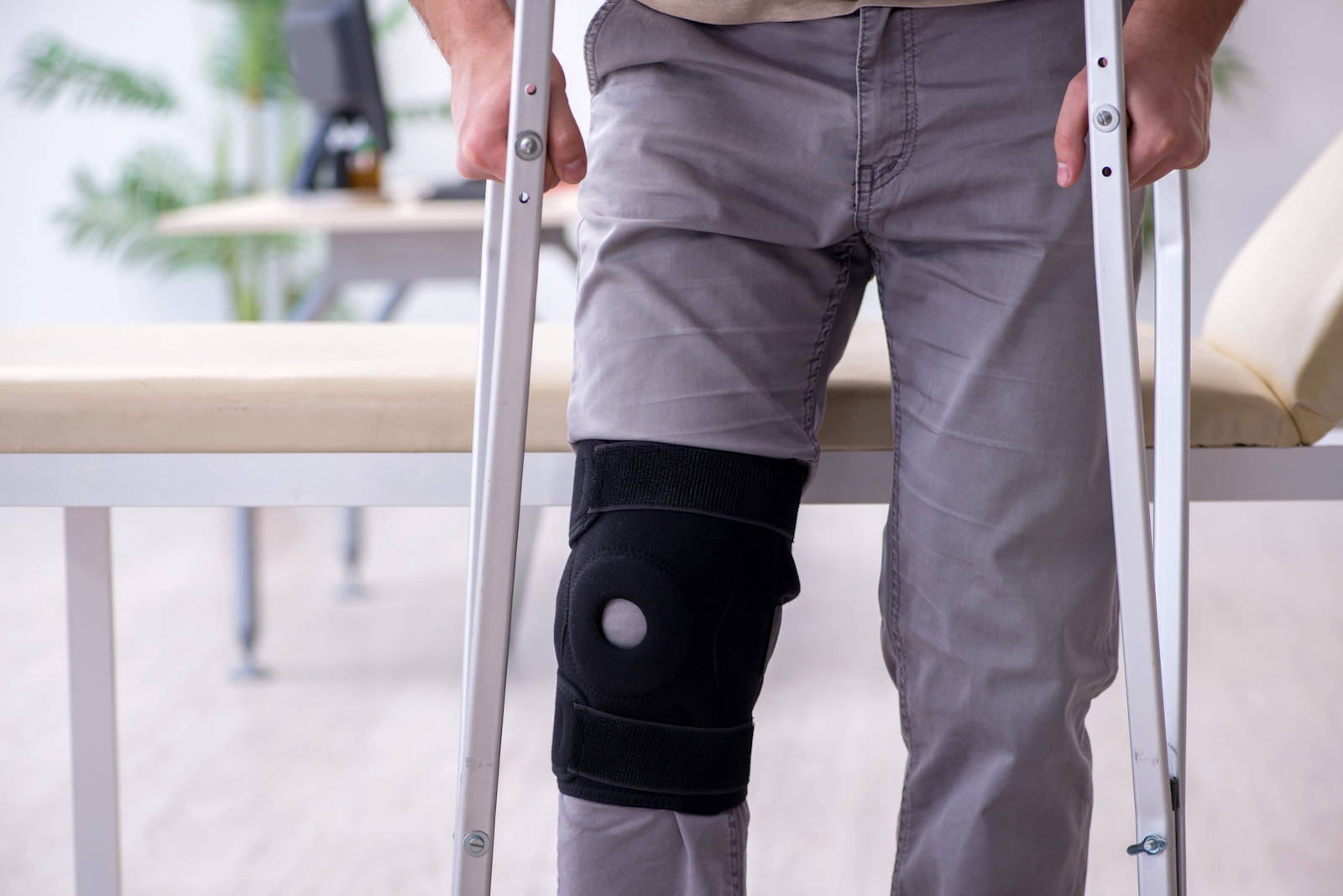
If your workplace has access to an occupational health service, that might be your first port of call. Otherwise, you should see your GP or, if necessary, head to A&E. It’s important to get a thorough examination so you know exactly what’s going on with your knee.
Understanding Your Knee Injury Diagnosis
Once you’ve been seen by a doctor, make sure you understand the diagnosis. Knee injuries can range from simple sprains to more complex issues like ligament tears or fractures. Don’t hesitate to ask questions about your condition, treatment options, and what you should do to aid your recovery. The more you know, the better you can manage your injury and recovery.
Your doctor will likely provide you with a treatment plan, which could involve anything from rest and physiotherapy to surgery, depending on the severity of the injury. Make sure to follow their advice closely. Taking shortcuts could mean a longer recovery or even permanent damage.
Ensure Your Knee Injury Has Been Properly Recorded
Now that you’ve informed your supervisor about your knee injury at work and received medical attention, it’s important to make sure that the injury has been properly recorded. In the UK, your employer has a legal responsibility to report certain types of injuries, especially if you’re going to be off sick for more than a week or if it’s something more serious. This is all part of the RIDDOR regulations.
Even if your injury isn’t that bad, you still want to make sure it’s been logged in the workplace accident book. This record isn’t just a formality, it’s essential if you end up needing time off or if there are any follow-up actions required.
What Your Employer Should Do Next
After reporting your knee injury, your employer is responsible for determining if it needs to be reported to the Health and Safety Executive (HSE). If it does, they’ll need to do this promptly. Your employer should also review the incident to see if any changes are needed in the workplace to prevent similar injuries in the future.
Keep Your Own Records
While your employer should handle the official reporting, it’s wise to keep your own records too. Make a note of everything that happened, who you spoke to, and what was discussed. Ask your employer for a copy of the relevant details from the accident book and keep hold of any medical reports and any correspondence related to your injury, such as emails about sick leave. This could be vital if there are any disputes later or if you decide to start a claim for knee injury compensation.
What Are My Rights After Hurting My Knee At Work?
After hurting a knee at work, it’s important you know your rights as an employee. In the UK, you’re protected by laws that make sure your employer provides a safe place to work. If your knee injury happened because something wasn’t safe, for example, a slippery floor or faulty equipment, then you might have the right to claim compensation for your pain and suffering.
You may also be entitled to sick pay while you’re off work recovering. If you meet the eligibility criteria, at the very least, you should get Statutory Sick Pay (SSP), but your employer might offer more through a company sick pay scheme. It’s worth having a chat with HR or checking your contract to see exactly what you’re entitled to.
Can I Claim Compensation For My Knee Injury?
If your knee injury was caused by negligence on the part of your employer, you may be entitled to compensation. This could cover not only your medical expenses and lost wages but also any long-term impact on your ability to work.
If you’re considering making a knee injury claim, it’s a good idea to talk to one of our solicitors with experience in employer liability claims. They can help you figure out whether you have a strong case and guide you through the whole process. Just bear in mind, there’s usually a three-year time limit from the date of the knee injury to start a claim so it’s better to get the ball rolling sooner rather than later.
Recovering From A Knee Injury At Work
Recovering from a knee injury doesn’t always just stop after the initial treatment. You may need some follow-up care, whether that’s more visits to your doctor, physiotherapy, or just doing exercises at home. It’s important to stick to the plan so your knee has the best chance of healing properly. If at any point something doesn’t feel right, for example, the pain gets worse or you’re not seeing improvement, don’t be afraid to get back in touch with your doctor.
Remember, taking the time now to heal properly from a knee injury at work will save you from more pain and hassle in the future.