

A stroke must be diagnosed as quickly as possible to try and reduce the amount of damage that will occur. Therefore, doctors and nurses are trained to spot the signs of a stroke and act swiftly when needed. Unfortunately, though, strokes are sometimes misdiagnosed as something else and when that happens, the patient can go on to suffer life-changing or life-threatening symptoms. Importantly, if you or a loved one has suffered due to a misdiagnosed stroke, you may be eligible to make a stroke misdiagnosis claim for compensation.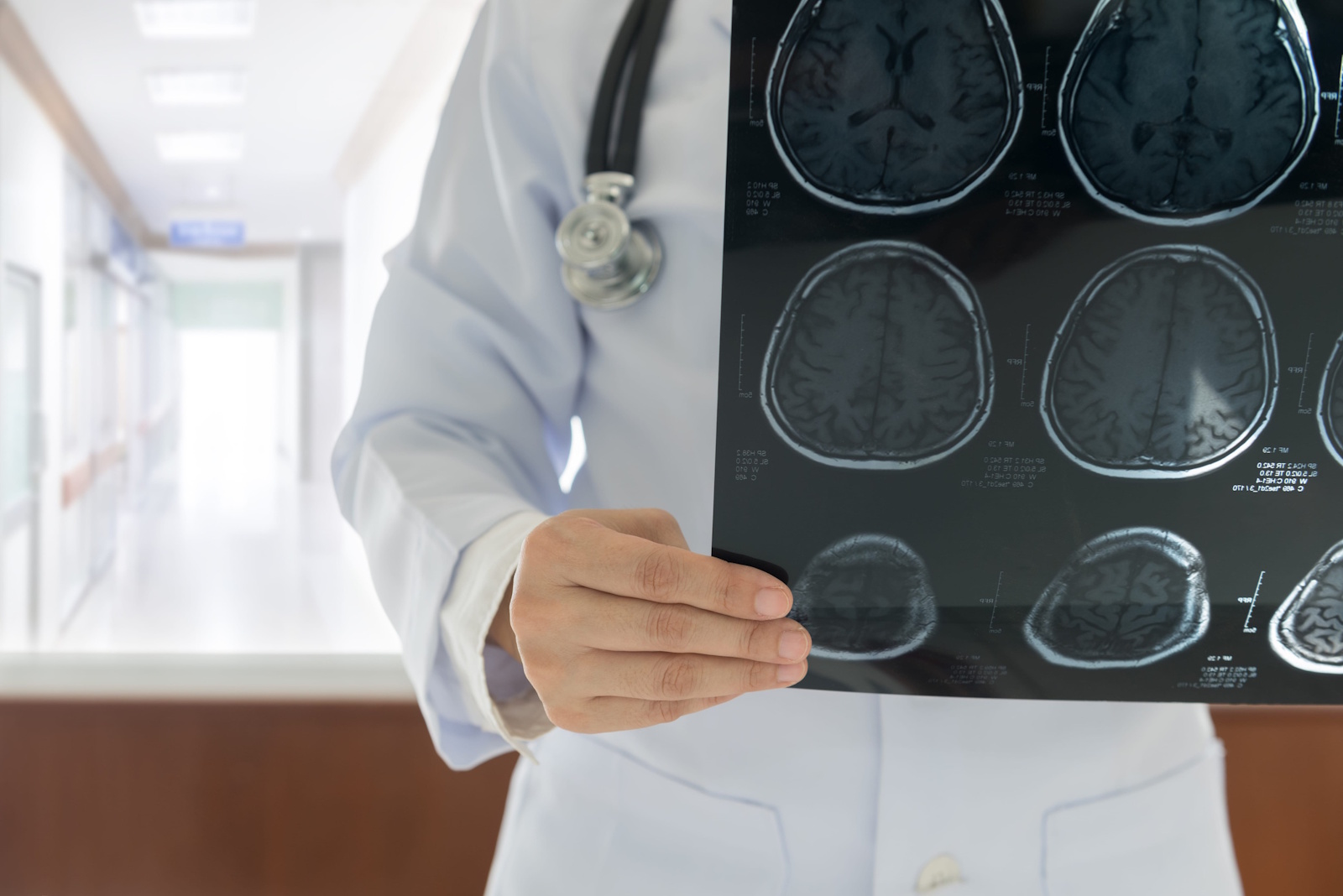
Our team can help you to check if you’ve got a valid stroke compensation claim by offering a free initial consultation. As well as reviewing your case, your advisor will give legal advice about what to do next. If you decide that you’d like to make a medical negligence claim, a specialist solicitor from our team may offer to help. If they take your claim on, it will be handled throughout on a No Win No Fee basis. That means that legal fees only need to be paid if you receive compensation.
To learn more about misdiagnosed stroke claims, please continue reading. If you’d like free legal advice right away, please call 0800 6524 881 today.
Table of contents
- What Is A Stroke?
- Am I Eligible To Make A Stroke Misdiagnosis Claim?
- Negligence Leading To Stroke Misdiagnosis Claims
- How Much Compensation For A Misdiagnosed Stroke?
- Evidence To Support A Stroke Misdiagnosis Compensation Claim
- Time Limits For Claiming Stroke Misdiagnosis Compensation
- Can I Claim Stroke Misdiagnosis Compensation On Behalf Of A Loved One?
- Starting The Stroke Misdiagnosis Claims Process
What Is A Stroke?
The brain, like other bodily organs, needs oxygen to function properly. The oxygen is transported to the brain by blood. A stroke occurs when the blood supply to the brain is cut off.
Strokes are a serious and life-threatening type of brain injury. The two main causes of strokes are
- Where a blood clot stops blood from reaching the brain (ischaemic).
- Where a blood vessel haemorrhages which means it can’t supply blood to the brain.
A temporary interruption of blood to the brain can lead to a Transient Ischaemic Attack or TIA. This can result in a mini-stroke with symptoms lasting for up to a day.
How Are Strokes Diagnosed?
The FAST test is usually the first sign of a stroke that will cause doctors to carry out further investigations. These can include:
- Blood tests to check cholesterol levels
- Brain scans to identify the cause of the stroke and the area of the brain affected.
- A swallow test – to check that you can safely swallow food or water.
- Blood vessel and heart tests (these are usually carried out later).
Am I Eligible To Make A Stroke Misdiagnosis Claim?
To be eligible to claim compensation for a misdiagnosed stroke, the following must typically be proven:
- Medical negligence. Your solicitor will need to prove that the treatment provided by a medical professional was below what you could reasonably expect.
- Causation. This is a test to prove that your suffering was directly linked to the medical professional’s negligence.
Proving both is essential in stroke misdiagnosis claims. Even if you have suffered severe stroke symptoms, you wouldn’t be able to claim compensation if there was nothing your doctor could’ve done to prevent the stroke. Therefore, your solicitor will call upon an independent medical practitioner to review your treatment and to check whether your treatment was substandard.
Negligence Leading To Stroke Misdiagnosis Claims
As per the previous section, you’ll need to prove that your doctor’s negligence led to a stroke misdiagnosis. Examples of what this means in practice include:
- If you visited your GP after a mini-stroke and it was diagnosed as something else and you later had a more serious stroke.
- Where your doctor failed to spot the signs of a stroke and treated you for a different condition.
- If your medical history wasn’t checked for risk factors when you presented with the symptoms of a stroke.
Stroke symptoms can often be mistaken for hypoglycaemia, migraines and inner ear infections. However, the longer the stroke is left untreated, the more serious the risk to the patient’s health will become.
If you believe you’ve suffered because your stroke was misdiagnosed, please call our claims advisors for free advice about what to do next.
How Much Compensation For A Misdiagnosed Stroke?
There’s a lot to think about when claiming compensation following a misdiagnosed stroke. Any settlement you receive is not based on the fact that your doctor was negligent. It is actually based on the suffering their mistake has caused you. This can manifest as physical, psychological or financial suffering.
Therefore, if you make a successful stroke misdiagnosis compensation claim, it could include damages to cover:
- Depression, emotional distress and other forms of mental suffering.
- Making changes to your house or car to help you cope if you’ve been left disabled after the stroke.
- Loss of income including future losses if the stroke prevents you from working.
- Loss of amenity to cover any activities the stroke prevents further activity in.
- Travel expenses.
- The cost of a carer (family, friend or professional).
- Mobility aids (if they’ll help more than those provided by the NHS).
- Rehabilitation and medical costs.
To ascertain the physical effects of your stroke, you’ll see an independent medical specialist during your claim. They’ll produce a report after examining you and discussing your case that will set out the extent of any suffering (including any potential future suffering).
If you claim for a misdiagnosed stroke with one of our team of medical negligence solicitors, they’ll use their experience to try and ensure all of your suffering is covered in any settlement amount you’re paid.
Evidence To Support A Stroke Misdiagnosis Compensation Claim
One of your solicitor’s roles in the claims process will be to find evidence that proves that you have suffered because of medical negligence. Therefore, to prove a stroke misdiagnosis claim, they’ll collect evidence to try and establish what went wrong and how you’ve suffered as a result. This may include:
- Independent medical reports. These can establish that negligence occurred and assess the impact of the misdiagnosed stroke on your health.
- Witness statements. Friends or family members can describe how the misdiagnosed stroke has affected your daily life.
- Relevant medical records. This includes documents such as brain scans and diagnostic notes from your GP or hospital to highlight errors or omissions.
- Financial records. These will document any costs or losses you’ve incurred. For example, medical expenses, travel costs, or lost earnings.
- Correspondence. Any communication from your doctor or medical provider about your treatment can help clarify their position.
- Timelines of events. A detailed account of when symptoms began, when medical advice was sought, and when the stroke was eventually diagnosed can establish a clear narrative.
- Expert witness testimony. Medical professionals can evaluate whether the care provided fell below the expected standard.
- Employment records. These can demonstrate potential future lost earnings or reduced work capacity due to the medical misdiagnosis.
- Care and rehabilitation costs. Proof of expenses for therapy, care needs, or home adaptations required as a result of the misdiagnosis.
- Evidence of long-term impact. Reports from specialists can highlight ongoing physical, cognitive, or psychological effects caused by the delayed or incorrect diagnosis.
If you’ve any evidence that supports your stroke misdiagnosis claim already, please have it to hand when you call.
Time Limits For Claiming Stroke Misdiagnosis Compensation
In legal terms, there is usually a 3-year time limit that applies to most medical negligence claims. Therefore, you will usually need to begin court proceedings within 3 years of either the misdiagnosis itself or a later point if the harm only became clear afterwards.
It’s a good idea to start your claim as soon as you can because you (or your loved one) are likely to have rehabilitation or care needs following a stroke and the costs involved will be easier to cover if you’re awarded compensation.
If you’ve lost a loved one following a stroke misdiagnosis, you’ll also have 3 years to start a claim. This will commence from either the date of your loved one’s death or the date you found out that they’d passed away.
Can I Claim Stroke Misdiagnosis Compensation On Behalf Of A Loved One?
Often, a stroke can cause the patient to have reduced mental capacity which would make it difficult for them to launch any legal action on their own. In these cases, the law allows claimants to be represented by a litigation friend.
This means that you could help a loved one to claim compensation for a misdiagnosed stroke if they’re unable to do so themselves. If this is something you’re considering, please call us as our solicitors will be more than happy to help you to deal with the paperwork if the claim is suitable.
Starting The Stroke Misdiagnosis Claims Process
If you have decided that it’s time to take action because you or a loved one has suffered following a misdiagnosed stroke, please get in touch. By calling 0800 6524 881, you’ll receive free legal advice after your case has been assessed on a no-obligation basis.
After your consultation, you might be connected with a medical negligence solicitor from our team. If you both agree to work together, you’ll receive expert legal representation on a No Win No Fee basis. As a result, there won’t be any legal fees payable unless you receive compensation.
If you’d like further guidance on a stroke misdiagnosis claim, please feel free to contact a claims advisor via the live chat.