

If you’ve suffered physical or emotional injuries following fat transfer surgery, you could be eligible to claim compensation. That might be the case if the surgeon or clinic that performed that fat 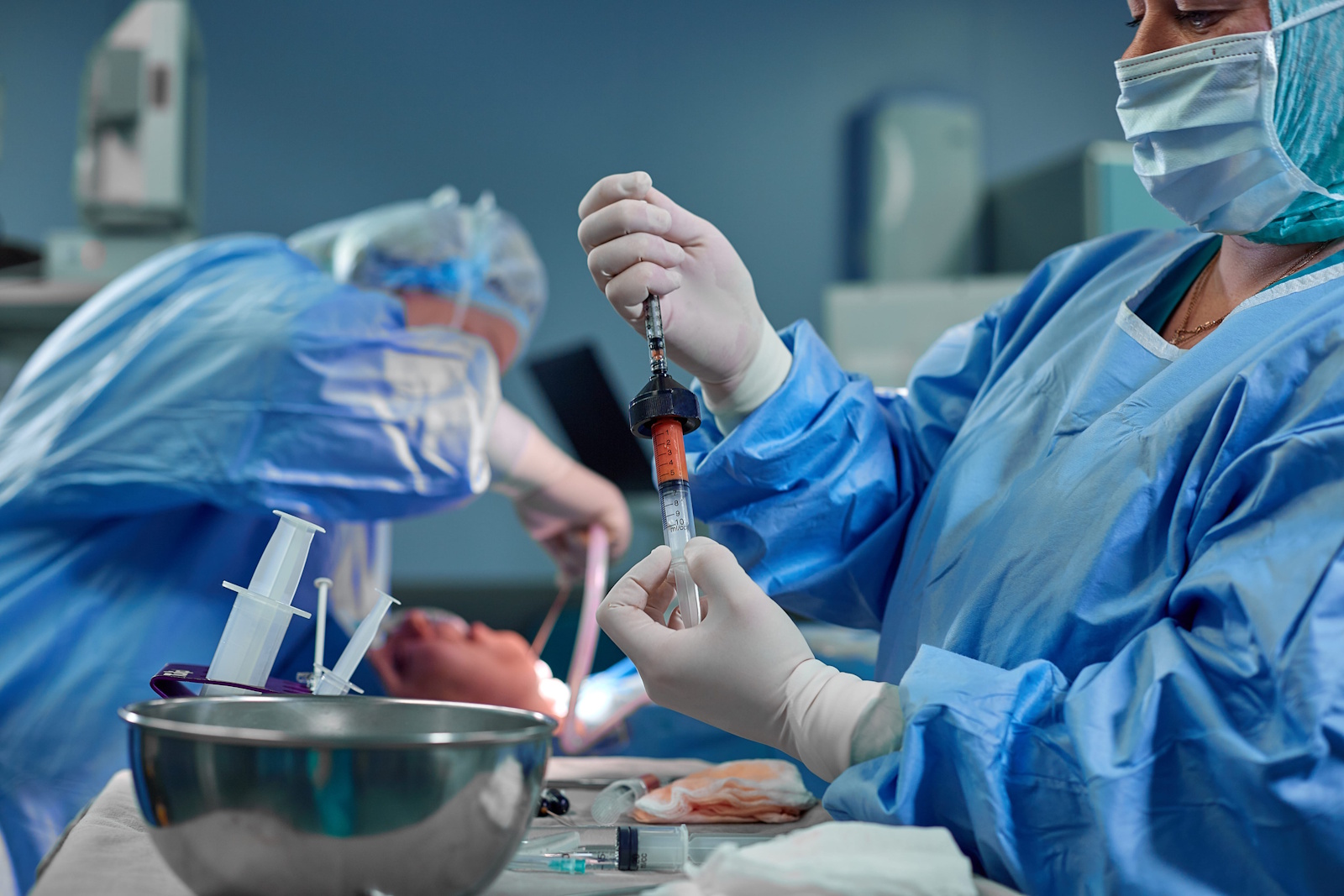 transfer procedure was negligent. In this guide about fat transfer surgery negligence claims, we’ll explain the types of fat transfer surgery mistakes that could allow you to take legal action.
As well as the information we’ll provide in this comprehensive guide on fat transfer negligence claims, you can call our team for free legal advice. We’ll review your claim on a no-obligation basis so you’ve some idea about the prospects of being compensated. If your claim appears to be suitable, you could be partnered with a medical negligence solicitor on our team. If that happens, you won’t be asked to pay any legal fees upfront as you’ll be represented on a No Win No Fee basis.
Call us right away on 0800 6524 881 to discuss your case today or read on for more information about fat transfer negligence claims.
Table of contents
- What Is Fat Transfer Surgery?
- Am I Eligible To Make A Fat Transfer Surgery Negligence Claim?
- Mistakes That Could Result In Fat Transfer Surgery Negligence Claims
- Can I Claim Compensation If I Signed A Waiver?
- How Much Compensation For Fat Transfer Negligence?
- Time Limits For Claiming Compensation
- Starting The Fat Transfer Surgery Negligence Claims Process
What Is Fat Transfer Surgery?
A fat transfer procedure is a type of cosmetic surgery where fat from one part of the body is moved to another. The procedure can be a way of increasing the size of other body parts including the breasts, thighs, hips, lips, cheeks and buttocks. It can also be used to smoothen different parts of the body. Other names for fat transfer surgery include lipomodelling, fat grafts and Brazillian Butt Lifts (BBL).
Fat transfer surgery is usually a 3-step process:
- Fat is removed by a thin tube that is inserted into cuts in the skin to suck out fat. This procedure is similar to liposuction.
- The removed fat is then separated from other tissues, blood and fluids.
- Finally, the fat is reinjected into the area that is being operated on.
Fat transfer surgery must be carried out by qualified surgeons. You can check on the suitability of a particular clinic by reading reports from the Care Quality Commission (CQC).
What Can Go Wrong With Fat Transfer Surgery?
As with any type of surgery, fat transfer procedures have some associated risks. If something goes wrong in fat transfer surgery, it can result in:
- Disfigurement i.e. where a part of your body is asymmetrical or uneven.
- Excessive bruising, scarring or saggy skin.
- Overfilling – this can cause distorted skin if too much fat is pumped back into the body.
- Fat necrosis leading to lumps under the skin where skin cells have died as a result of the procedure.
- In rare cases, blood clots. These can cause a pulmonary embolism which can be life-threatening if not spotted quickly enough.
If you’ve suffered following a fat transfer procedure, you may be eligible to begin a compensation claim with us. If you believe that’s true, please feel free to contact our team today.
Am I Eligible To Make A Fat Transfer Surgery Negligence Claim?
A medical negligence solicitor on our team will only offer to help you claim if they believe your case is strong enough. This is to avoid offering false hope or wasting your time. Before a fat transfer surgery claim is accepted, your solicitor will therefore check for:
- Medical negligence: This is where the standard of care offered by your surgeon fell below the levels you might reasonably expect of a competent cosmetic surgeon; and
- Causation: a test to check whether any injuries you’re claiming for can be directly attributed to medical negligence.
Although solicitors are qualified legal professionals, they cannot decide for themselves whether a medical practitioner has been negligent. Therefore, they will call upon third-party specialists to assess the treatment you were offered to see if things should have been done differently. If that’s found to be the case, your solicitor will pursue the maximum compensation possible for any suffering you’ve endured.
Mistakes That Could Result In Fat Transfer Surgery Negligence Claims
So, as shown above, your solicitor will need to prove that your surgeon (or the clinic they were working for) was negligent before, during or after your fat transfer procedure. Some examples of when this might be the case include:
- If your health history was not considered before your treatment.
- Where other forms of treatment were not investigated.
- If you weren’t told about any known risks before your treatment started.
- If the surgeon used the wrong procedures or equipment during your operation.
- Where poor aftercare advice was offered.
- If the surgeon made an avoidable error during treatment.
These are just some examples of why fat transfer surgery negligence claims might be possible. If you’re not sure if you’ve got a strong enough reason to seek compensation, please call our team for a free consultation about your options.
Can I Claim Compensation If I Signed A Waiver?
Many cosmetic surgery providers will ask you to sign a waiver or consent form prior to any form of treatment. This is standard practice in the industry. However, the fact that you’ve signed this type of document does not stop you from seeking compensation if your surgeon caused you to suffer because they were negligent.
A waiver is simply a tool used to record the fact that you were made aware of the type of procedure and any associated risks. Legally, a consent form cannot be used to stop you from claiming compensation. If you still have your waiver, forward us a copy so that it can be reviewed during your initial consultation.
Shouldn’t I Just Complain About Negligence During A Fat Transfer Procedure?
All surgeons who offer fat transfer surgery should be registered with the British Medical Council (GMC). That means there is a route you can use to complain about your treatment.
This process may shed some light on what went wrong and could mean changes are made to prevent similar occurrences in the future. However, you won’t be compensated as a result of a complaint. The most you can hope for here is an apology. The only way you’ll receive a compensation payout is if you take legal action yourself.
If this is something we can help with, please feel free to call us today.
How Much Compensation For Fat Transfer Negligence?
Realistically, all medical negligence claims are unique. As such, there isn’t a set level of compensation awarded for surgical fat transfer gone wrong due to negligence. Instead, those involved in the claim will look at what suffering has been caused by the negligence. They’ll also consider any long-term consequences before deciding on how much compensation you could be awarded.
To ascertain the extent of any physical injuries, an independent medical assessment will be arranged. During the appointment, a qualified expert will examine your injuries and try to find out the impact they’ve caused. They’ll produce a report that both the defendant and your solicitor will receive to help them decide on compensation levels if the claim is successful.
In addition, fat transfer surgery claims can lead to compensation payments to cover:
- Any emotional distress, anxiety or depression linked to your surgery.
- Medical treatment costs and other expenses.
- Loss of enjoyment of any activities prevented by your injuries.
- Lost earnings as well as any future reduction in income.
- Care costs if you required support while you were recovering.
- Travel expenses.
- Home adaptations to improve accessibility and to help you deal with any permanent disability.
It’s important that if you’ve suffered because a surgeon was negligent during a fat transfer procedure, all aspects of your suffering should be considered. That’s because you can only usually make a single claim once it has been settled. If you work with a specialist solicitor from our team, they’ll use their experience to try and ensure everything is included in your claim.
Time Limits For Claiming Compensation
A medical negligence claim will usually have a 3-year time limit. Where you’ve suffered because of a negligent fat transfer procedure, it will often start from the date of the surgery, or in some cases, from when the injuries became apparent. The latter is called the “date of knowledge”.
To try and avoid starting the claims process too late (and missing out on any damages you’re entitled to), we suggest that you call us as soon as you can. This could be beneficial because if liability for your suffering is accepted early on in the claims process, an interim payment might be awarded to cover the cost of remedial medical treatment. Also, beginning your claim early will mean you’ll be paid compensation sooner if the claim is won.
Starting The Fat Transfer Surgery Negligence Claims Process
You could be one call away from starting a medical negligence claim for any suffering caused by negligence during fat transfer surgery by calling us on 0800 6524 881 today.
No matter what you decide to do, we’ll provide specialist legal advice about your case and explain your chances of being awarded compensation. We could even appoint a No Win No Fee medical negligence solicitor from our team if your claim is suitable.
If you’d prefer to discuss fat transfer surgery negligence claims online, our live chat team is also on standby to help you.