
Welding is a skilled profession that plays a vital role in numerous industries, from construction and manufacturing to car repair and aerospace engineering. It involves joining materials, typically metals, using high heat to melt and fuse them together.
While welding is indispensable to modern infrastructure and technology, it is also a profession which can be extremely dangerous. Understanding these dangers is vital for ensuring the safety and well-being of welders as well as preventing long-term health problems.
This post explores the many dangers of the welding profession, from exposure to harmful fumes and gases to the physical strains of the job and highlights the importance of safety measures to try and reduce these risks.
Welding Burn Hazards
Burn injuries at work are one of the most common risks in welding, for obvious reasons. The job involves extreme heat, with arc temperatures reaching thousands of degrees Celsius, in some cases, around 5,500°C. Working close to molten metal, sparks and hot surfaces means burns can happen very quickly.
Often, there’s little time to react. A brief lapse, faulty equipment or inadequate protective clothing can result in serious injury. Burn injuries can range from surface damage to deeper injuries that cause permanent scarring, nerve damage and long-term pain, sometimes requiring ongoing treatment or time off work.
Because the risk is constant, proper protective clothing and safe working practices are essential to reduce the chance and severity of welding burns.
Exposure To Harmful Fumes & Gases
Welding produces fumes made up of fine metal particles and gases that are released into the air during the process. These fumes can be easily inhaled, particularly in enclosed or poorly ventilated spaces, and may cause both short-term and long-term health problems.
In the short term, exposure to welding fumes can lead to symptoms such as coughing, chest tightness, dizziness, nausea, and irritation of the eyes, nose, and throat. Some workers may also develop metal fume fever, a flu-like illness caused by inhaling certain metal fumes, such as zinc.
Long-term or repeated exposure to welding fumes has been linked to serious illnesses. Welding fume is classified as carcinogenic, meaning it can increase the risk of lung cancer. Prolonged exposure may also contribute to chronic respiratory conditions, including occupational asthma, bronchitis, and reduced lung function.
The level of risk depends on factors such as the materials being welded, how often welding is carried out, and whether effective control measures are in place. Using local exhaust ventilation, working in well-ventilated areas, and wearing suitable respiratory protective equipment can significantly reduce exposure and help protect long-term health.
Importantly, employers have a duty of care to provide training on the dangers of fume exposure and the correct use of protective equipment.
Eye & Skin Damage From UV & Infrared Radiation
Welding arcs give off extremely intense ultraviolet (UV) radiation, which can cause serious injuries if proper protection isn’t worn. One of the most common eye injuries is arc eye (also known as welder’s flash), a painful condition caused by UV damage to the surface of the eye.
UV exposure can also affect the skin. Short-term exposure may result in burns similar to severe sunburn, while repeated unprotected exposure over time can damage skin cells and may increase the risk of skin cancer, particularly where large areas of skin are left uncovered. The level of risk depends on factors such as how often welding is carried out, how much skin is exposed, and how consistently protective clothing is worn.
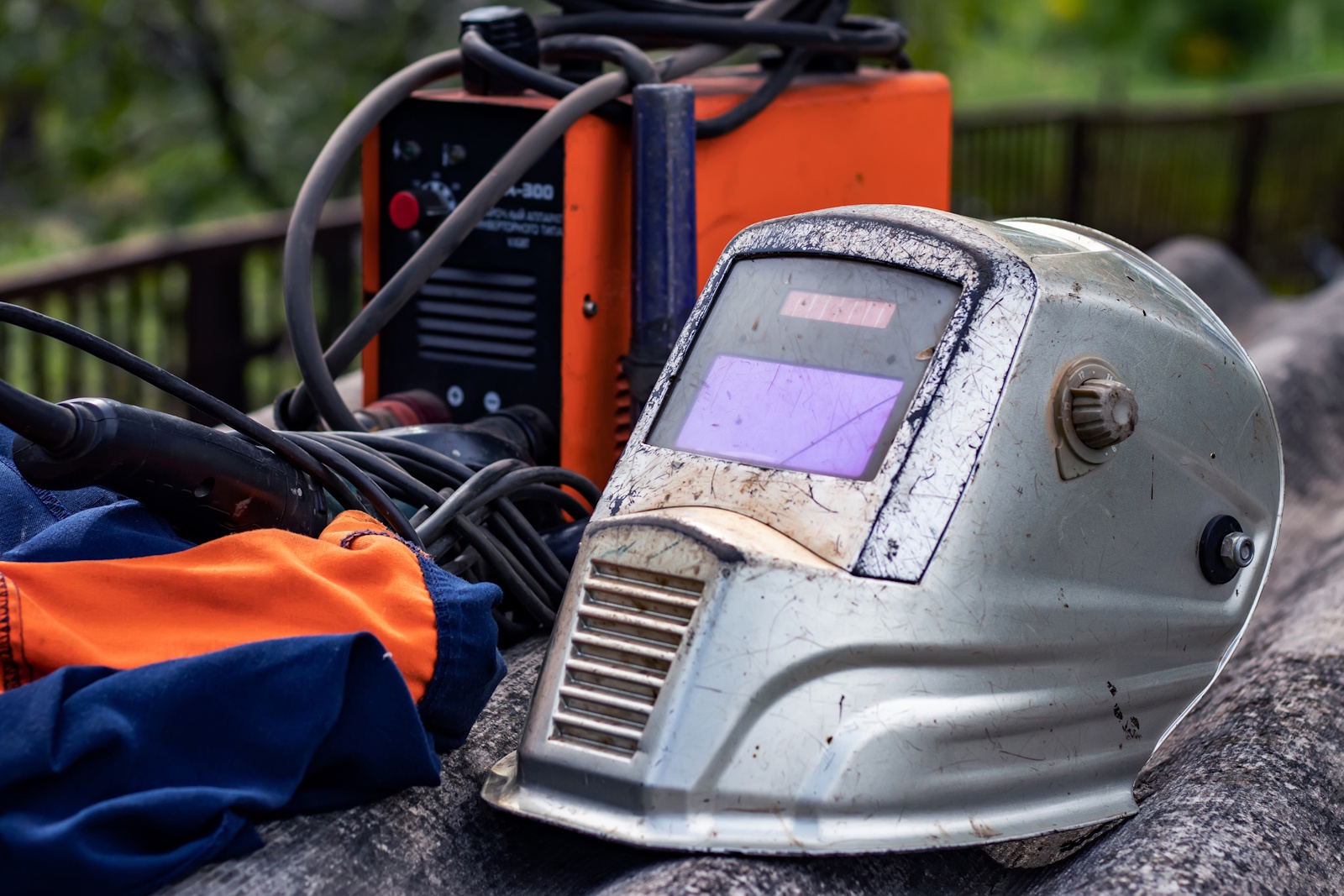
Because of these risks, welders should always use appropriate PPE, including flame-resistant clothing, gloves, and approved welding helmets, to reduce exposure to harmful radiation.
Legally, employers must provide any Personal Protective Equipment (PPE) for free. Additionally, they should ensure that all PPE fits correctly, is readily available, meets safety standards and is regularly inspected for damage.
Fire & Explosion Risks
Welding involves high temperatures and sparks, making fire and explosion risks a constant concern. As you probably know, sparks and molten metal can travel several feet and ignite flammable materials such as paper, wood or chemicals in the workspace.
In environments where combustible gases, fuels or pressurised containers are present, the risk of explosion is even greater. This is something that should be taken into account as part of a risk assessment before welding commences.
To prevent fires, it is vital to maintain a clean and organised workspace that is free from flammable materials. Welding curtains or screens can contain sparks and protect nearby workers. Fire extinguishers should be readily available, and welders must be trained on how to use them.
Even if a risk assessment has been performed, before a welder starts working, it is essential to inspect the area for potential hazards such as gas leaks or flammable liquids and ensure that all equipment is in good working order.
In high-risk environments, hot work permits may be required to ensure that all safety precautions are in place before welding begins. The permit must be prepared by a competent person.
Even though fires and explosions are an obvious risk of the welding profession, welders can significantly reduce the dangers by adhering to these measures.
Electrical Hazards
Electric shock is another serious hazard in welding, particularly when working with high-voltage equipment. Welding circuits carry significant electrical current, and even a minor lapse in safety can result in severe injury or death. Electric shock can occur if a welder touches live electrical parts, if insulating cables are damaged or when working in wet conditions.
Secondary injuries from electric shock can also occur. For example, a welder could be knocked off their feet by an electric shock and bang their head during the fall, which could result in a concussion or traumatic brain injury.
To minimise electrical risks when welding, proper grounding of all equipment is essential. Additionally, insulated gloves and rubber-soled boots provide additional protection against shock. Welders should avoid working in wet conditions and ensure that all equipment is regularly inspected for damage.
Importantly, training on electrical safety and the correct use of welding equipment is vital to preventing electrical accidents. Therefore, all employers have a legal obligation to provide it for their welders.
Musculoskeletal Strain & Fatigue
The physical demands of welding can take a toll on the body. This can result in musculoskeletal strain and fatigue. That’s partly because welders often work in awkward positions. For example, they sometimes need to work crouched in a confined space or overreach to perform welding overhead and may spend long hours standing or performing repetitive movements. Over time, these actions can lead to chronic pain, joint problems and injuries such as tendonitis or carpal tunnel syndrome.
You might think that this is just part of the job, but employers have a duty to try and protect the welfare of all staff, including welders. Therefore, to try and prevent these types of issues, ergonomic adjustments can be made to the workspace, such as using adjustable workbenches or positioning materials to reduce strain.
Importantly, regular rest breaks should be allowed so that welders can recuperate, especially when working in awkward spaces. Additionally, stretching exercises can also help alleviate muscle tension and improve circulation.
Finally, employers should also encourage welders to report discomfort early and provide access to physiotherapy or other support services. If your employer fails to consider any health concerns you have while welding, they might be deemed negligent. In these circumstances, you could have grounds to claim compensation for any diagnosed suffering caused by that negligence.
Noise-Induced Hearing Loss (NIHL)
Welding is often accompanied by loud noises from grinding, cutting and hammering metals. Prolonged exposure to these sounds can lead to noise-induced hearing loss, a permanent condition that affects communication and quality of life. Even short-term exposure to high noise levels can cause temporary hearing impairment or tinnitus (ringing in the ears).
To protect against industrial hearing loss, welders should wear ear defenders or earplugs that provide adequate noise reduction. Employers should conduct noise assessments to identify hazardous areas and implement measures to reduce noise levels, such as enclosing noisy equipment or using sound-dampening materials.
Once again, if PPE is required to protect your hearing whilst welding, your employer should ensure that it is available free of charge.
Conclusion
Welding is a profession that demands skill, precision and a strong commitment to safety. The hazards associated with welding, ranging from harmful fumes and radiation to fire risks and physical strain, are significant, but they can be managed through proper precautions.
Personal protective equipment (PPE), adherence to safety protocols and ongoing training are essential to protecting welders from harm. By prioritising safety, employers and workers alike can ensure that welding remains a vital and sustainable profession for years to come.
If you are a welder injured at work and believe your suffering was caused by your employer’s negligence, please let us know. We’ll assess your case for free and provide no-obligation legal advice about your chances of being compensated.